
The Blog about LEGO® SERIOUS PLAY®
Science, Practice, and Business Around LEGO SERIOUS PLAY
How many trainers do you know who have learned a method once and never really explored it in depth again? This blog is the opposite: science, practice, and building a business around LEGO® SERIOUS PLAY®, at the depth this method deserves.
From exploring why building with your hands has a different impact than simply talking about a problem, to an honest comparison of different training paths, to what really matters after completing your training: visibility, positioning, and landing your first assignments.
No quick-fix knowledge that fades away after two weeks. Substance that stays.
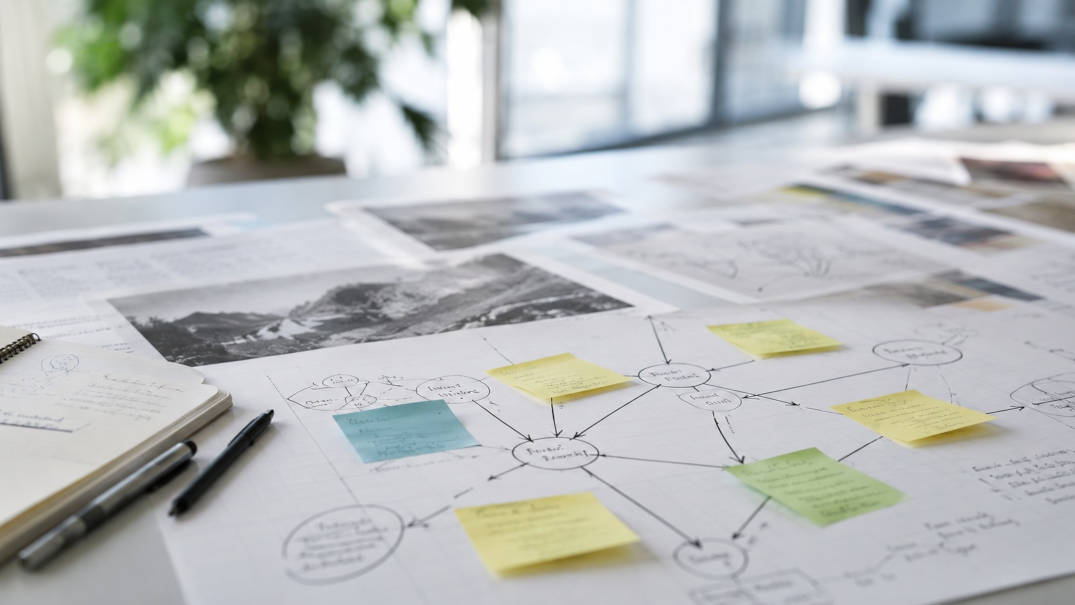
The science behind LEGO® SERIOUS PLAY®: Why building actually works
A few quick answers up front: Is LEGO SERIOUS PLAY scientifically grounded, or is it just another super-creative training method?The method draws on several independent research traditions that are decades old: constructivism, constructionism, neuroscience/Embodied...

From constructivism to constructionism: Why the model itself is the thinking process
Seymour Papert’s constructionism shows why a shared, tangible model creates more learning than thinking alone.
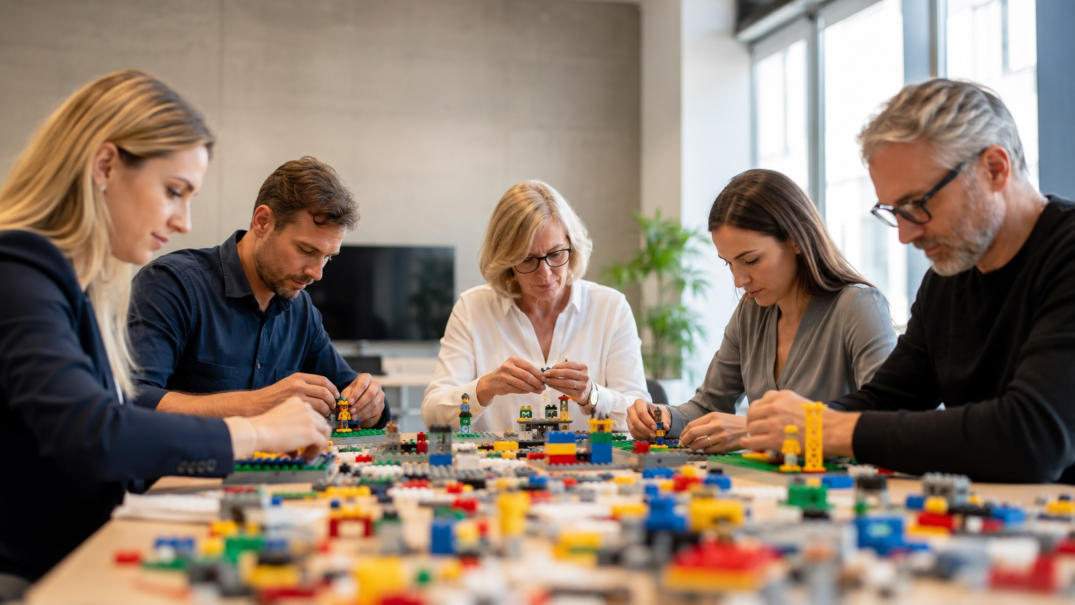
Why do people actually buy LEGO® SERIOUS PLAY®?
People don’t buy LEGO® SERIOUS PLAY®. They buy a solution, more convenience or an experience they cannot get anywhere else.
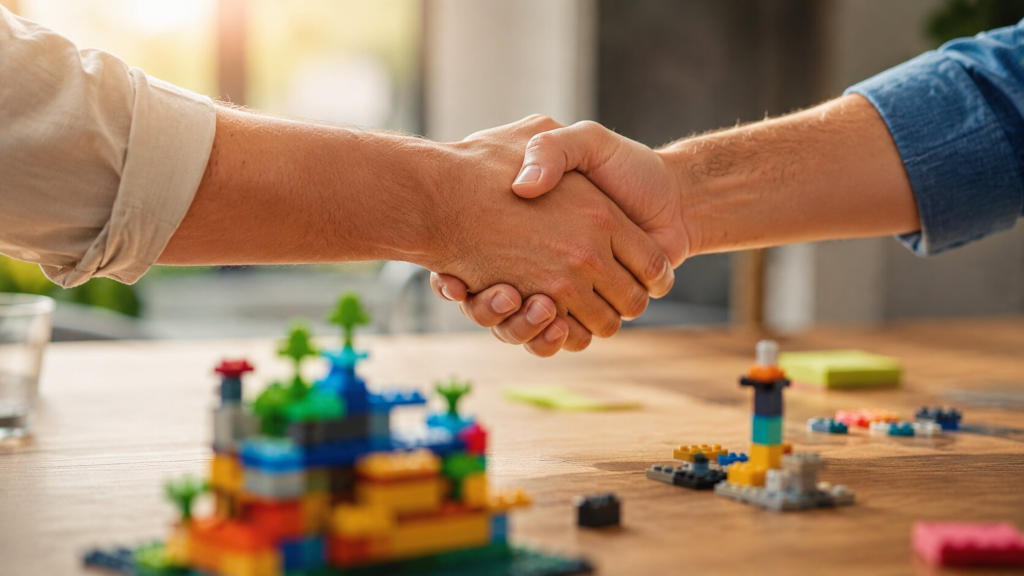
What You really sell as a Facilitator
The LEGO® SERIOUS PLAY® Core Process can be learned. Whether You get booked as a Facilitator depends on knowing what Your clients are really buying.

A short LEGO® SERIOUS PLAY® training is perfectly sufficient
A short LEGO® SERIOUS PLAY® training is enough? No. Why the training still takes four days, and what a two-day format cannot teach.

Why we learn through action, not by listening: Constructivism according to Piaget
Knowledge comes from action, not listening. What Piaget’s constructivism has to do with LEGO® SERIOUS PLAY®.

Skills Building: The First Hour No LEGO® SERIOUS PLAY® Workshop Should Be Without
Skills Building is the first hour of every LEGO SERIOUS PLAY workshop, always reserved. Why it’s never shortened, and what happens there.
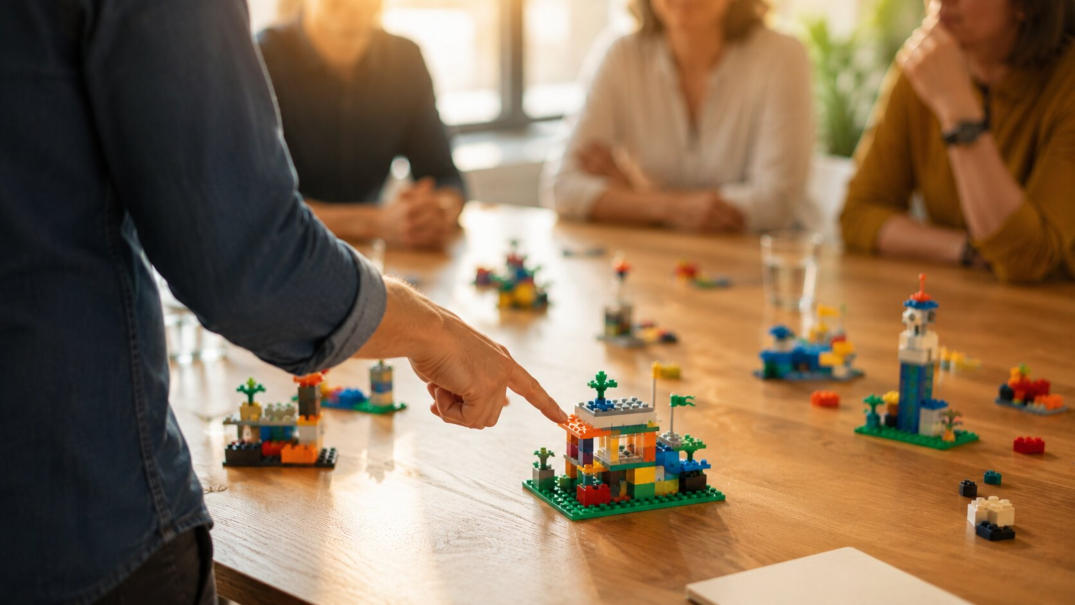
LEGO® SERIOUS PLAY® explained briefly: What You actually learn when You learn it
Easy enough for a child, but not child’s play: what’s really behind LEGO® SERIOUS PLAY®, and what You take away from leading it Yourself.
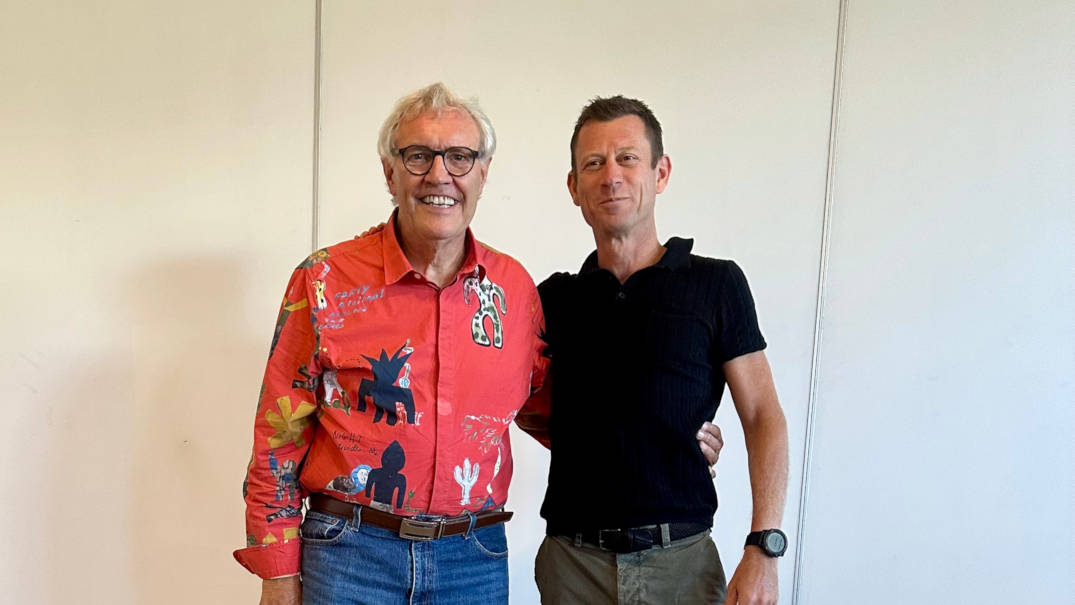
Not invented at a drawing board: The story of Rasmussen and Kristiansen
Educator meets strategist: the academic and professional background of Robert Rasmussen and Per Kristiansen, the minds behind LEGO® SERIOUS PLAY®.

Hands and mind: What Embodied Cognition knows about thinking with Your hands
“Give your brain a hand”: what Embodied Cognition research shows about building and thinking with Your hands.
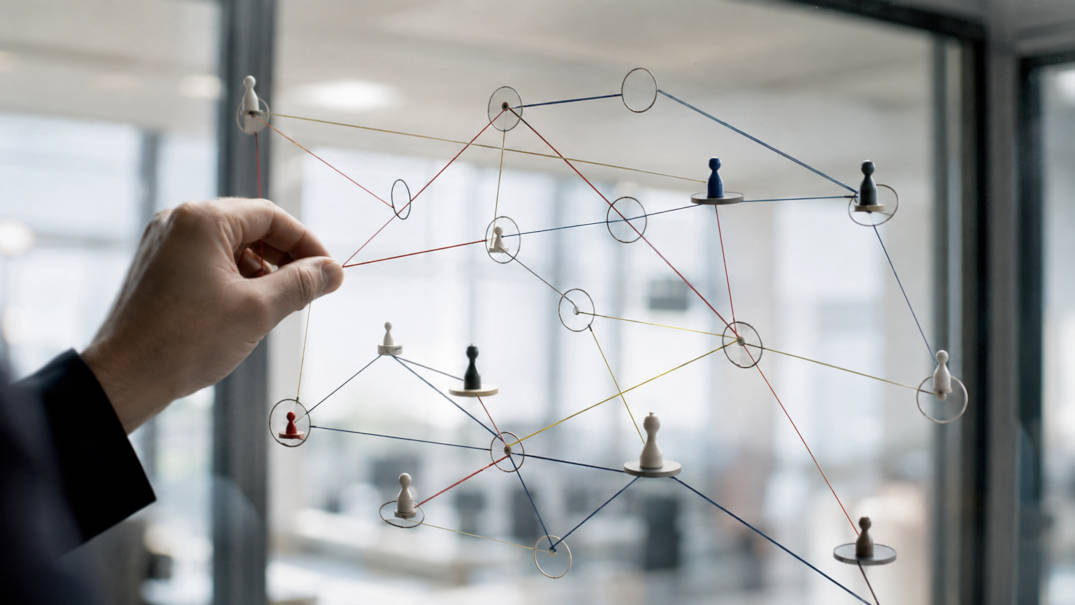
Serious play is not a contradiction: What play theory shows about creativity
Why the playful framework of LEGO® SERIOUS PLAY® increases people’s willingness to voice unusual ideas openly.
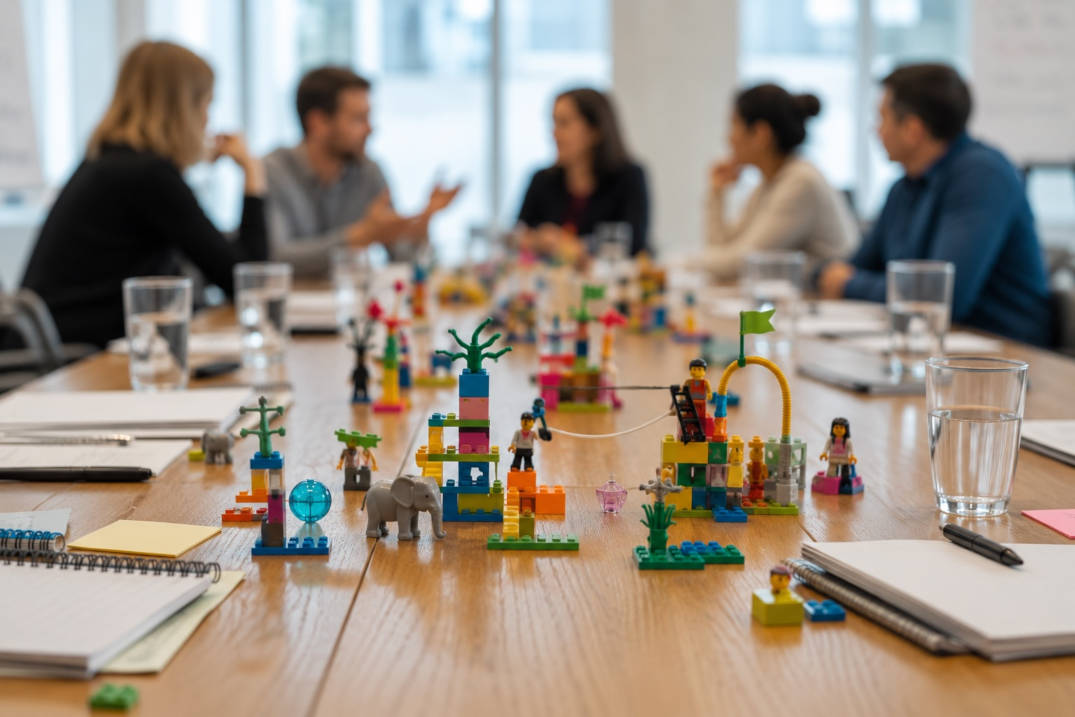
LEGO® SERIOUS PLAY® Case Study: Clarity in the Middle of Change
Not an anonymised case study: how a department found clarity with LEGO® SERIOUS PLAY® amid one of Germany’s biggest church reform processes.

The right amount of resistance: Why LEGO® SERIOUS PLAY® workshops create Flow
Csíkszentmihályi’s Flow Theory explains why the right level of difficulty in building boosts creativity and focus.
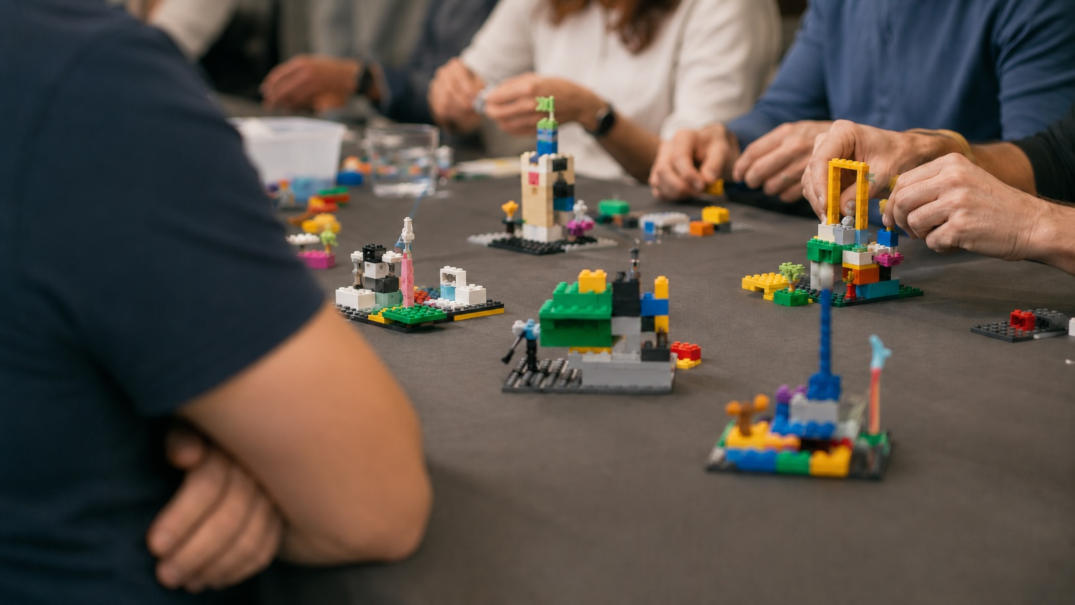
Does LEGO® SERIOUS PLAY® really work?
Critics call it expensive playtime. What research, honest criticism and a real change process actually show about LEGO® SERIOUS PLAY®.